Gallatin River
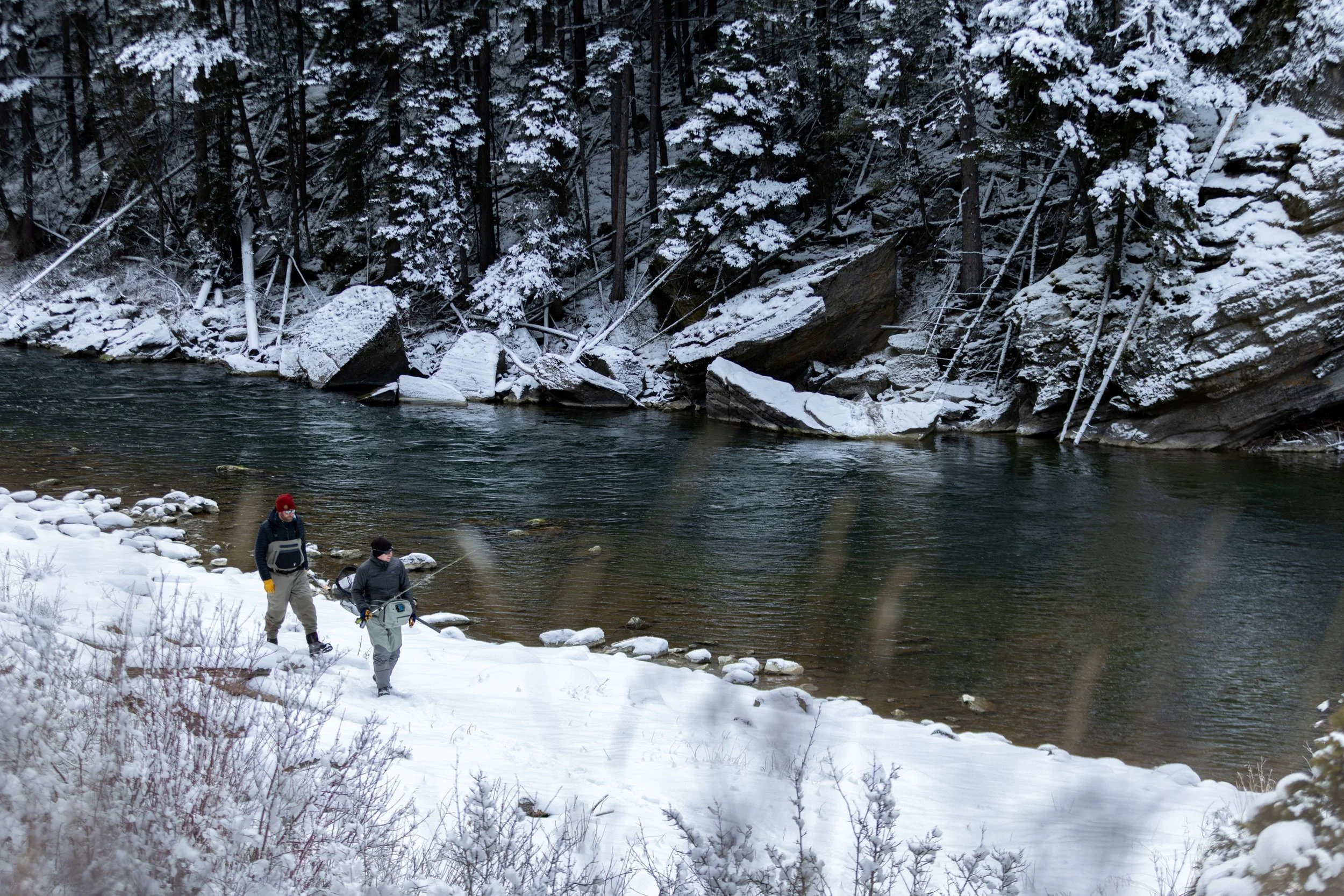
The Water: The Gallatin River is walk/wade-only access and great for fun, quick trips. It’s not about the size of fish you catch, but the consistent and reliable fish.
At just under 100 miles long, the Gallatin is small, but mighty, and is home to Brown Trout, native Mountain Whitefish, and Rainbow Trout. If you’re lucky, you’ll get your line on an Arctic Grayling as well.
Namesake: The Gallatin was named by Meriwether Lewis in 1805 in honor of Albert Gallatin, the U.S. Treasury Secretary at the time.
Headwaters: Big Horn Lake in Yellowstone National Park near Fawn Pass.
Estuary: Missouri River at Headwaters State Park in Three Forks. The Mississippi River basin relies on the health of waters in Yellowstone National Park that feed the Gallatin and Madison Rivers, as well as the health of the Beaverhead, Big Hole, and Ruby rivers that feed the Jefferson. The convergence of the Gallatin, Jefferson, and Madison was a key meeting point, campground, hunting ground, and battleground for the Hidatsa, Blackfeet, Shoshone, Crow, Nez Perce, Kootenai, and Salish tribes, including home for Sacajawea.
Claim to Fame: Robert Redford’s A River Runs Through It was filmed here.
Other tidbits: During the development of Greek Creek, Swan Creek, and Moose Creek campgrounds, Native American and homestead artifacts were found that are now at the Gallatin History Museum in Bozeman.